
Today is a memorable day, a moment for reflection and anticipation. So, Fastensolar hold a grand company year-end party. The purpose was to express gratitude to our partners for their efforts and dedication in 2024, to promote communication and cooperation among our teams, and strengthen their sense of belonging to the company. Here,we relax ourselves with some fun games and delicious foods, share our innermost thoughts freely.We witness each other's growth together, and are moving towards a brighter and more wonderful future! Fastensolar salute to every one of us who has been striving. May we never forget our original intentions and move forward vigorously. Finally, Let's continue to work together,innovate and create even more great successes in the coming year 2025! And wishing everyone a happy and prosperous year after year!
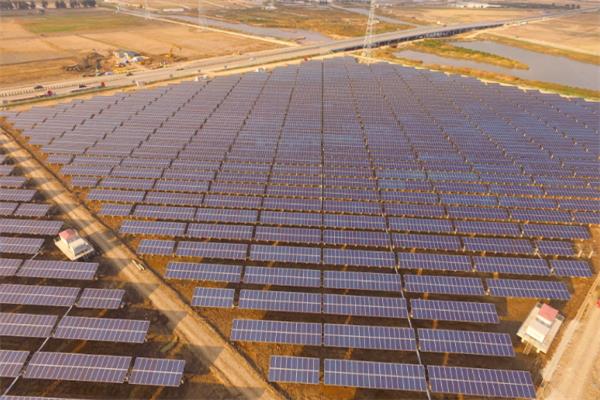
Despite its war-torn past, Ukraine sees significant growth in its PV market by 2024, with new installed capacity reaching 800-850 MW, according to a report by the Solar Energy Association of Ukraine (ASEU). This growth is mainly driven by businesses and households relying on self-use photovoltaic systems to ensure the stability of electricity supply while addressing grid security challenges. Vladyslav Sokolovsky, chairman of the ASEU board of directors, pointed out that the growth of the self-use market benefited from the abolition of value-added tax (VAT) and tariffs on the import of photovoltaic modules and related equipment in the summer of 2024. This policy provides strong support for the deployment of solar power generation equipment in households and businesses. Even though the war is still going on, ASEU is optimistic about the prospects of Ukraine's photovoltaic market. In the self-generation and self-use market, more companies are investing in photovoltaic systems combined with energy storage to ensure energy security; for industrial photovoltaic projects, some new projects have been announced in 2024, and the construction of industrial photovoltaic power stations is expected to be further promoted in the future. In addition, the Ukrainian government is considering introducing a military risk insurance mechanism for investors, while supporting industry growth through preferential loans and grant projects. According to the National Renewable Energy Action Plan, Ukraine aims to increase its total photovoltaic installed capacity to 12.2GW by 2030.
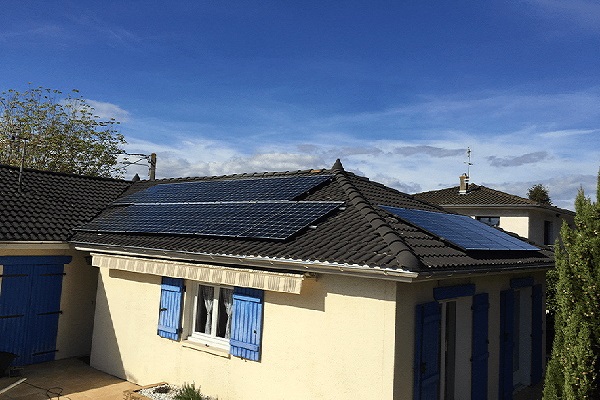
The UK government’s latest Clean Electricity Action Plan 2030 outlines significant growth in renewable energy capacity by 2030, with a focus on offshore wind and solar photovoltaic (PV) power. The plan sets a target of 45-47GW for solar PV capacity in 2030, emphasizing the potential to exceed the 47GW cap. As of the second quarter of 2024, the UK’s cumulative solar PV capacity stood at 16.6GW, with an additional 23.8GW of projects under construction or signed. Solar Energy UK believes the 45GW target is conservative and that solar PV has the potential to significantly surpass this level. The plan includes promoting solar installations on warehouses, industrial sites, and outdoor parking lots, with a survey on PV canopies for parking lots set to begin in 2025. Additionally, solar technology is included in policies such as the Warm Homes Local Grant and Warm Homes Social Housing Fund, and its application will be further expanded in future versions of the plan. Wind power is also a core component of the plan, aiming for a cumulative installed capacity of 43-50GW by 2030, with onshore wind contributing 27-29GW. Flexible power regulation is also part of the plan, with installations of 23-27GW of battery storage and 4-6GW of long-duration storage planned, along with the development of flexible technologies such as carbon capture, utilization, and storage (CCUS) and hydrogen energy. Furthermore, around 35GW of natural gas storage capacity will ensure secure electricity supply.
![【Exhibition notice】SMART ENERGY WEEK [February]](/uploadfile/news/f127edb58ee993c4aaafa99ce0f8366d.jpg)
We are excited to invite you to the upcoming SMART ENERGY WEEK [February]. This event is set to be a significant gathering for the energy industry, bringing together the latest technologies, innovative solutions, and key players from around the world. Event Name: SMART ENERGY WEEK [February] Event Dates: Feb. 19 (Wed) - 21 (Fri), 2025. Venue: Tokyo Big Sight Inc., 3-11-1 Ariake, Koto-ku, Tokyo, Japan 135-0063 Booth Number: S30-25 At the SMART ENERGY WEEK [February], you can expect to see a wide array of cutting - edge energy technologies. One of the highlights will be the display of innovative products such as the solar fence. This solar fence represents a new frontier in solar - powered security and energy - harvesting solutions. It not only provides a secure perimeter but also generates clean energy, making it an ideal choice for both residential and commercial properties. Another exciting product on show will be the bolt - free roof mounts. These mounts offer a revolutionary approach to installing solar panels on rooftops. By eliminating the need for bolts, they simplify the installation process, reduce the risk of roof damage, and enhance the overall aesthetics of the installation. This innovation is set to transform the solar panel installation industry, making it more efficient and cost - effective.
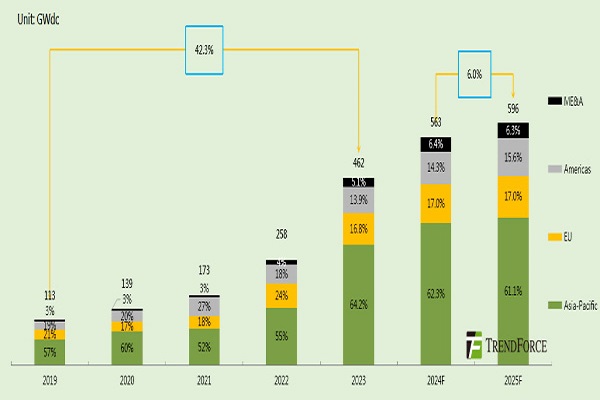
Against the backdrop of global energy transformation, the photovoltaic industry has taken off, and the scale of global photovoltaic installed capacity continues to grow. TrendForce predicts that global photovoltaic installed capacity will reach 596GW in 2025, up 6.0% year-on-year, and the growth rate will slow down significantly. The share of the three major mainstream incremental markets in China, Europe and the United States will decline, and emerging markets such as Southeast Asia, Latin America, and the Middle East will perform well, injecting new impetus into the growth of global photovoltaic installed capacity. Global new installed capacity to reach 596GW in 2025 According to TrendForce data, global photovoltaic installed capacity has grown rapidly from 113GW in 2019 to 462GW in 2023, with an average annual compound growth rate of 42.3%. After experiencing high growth in the first five years, it is expected that the growth rate of global photovoltaic installed capacity will drop sharply from 2025 and enter the adjustment stage. In 2025, global photovoltaic installed capacity will reach 596GW, up 6.0% year-on-year. In terms of market share, the Asia-Pacific market fell slightly to 61.1%, the Americas market grew to 15.6%, and the market share of Europe and the Middle East and Africa did not change much. From the data of new photovoltaic installations in the four major regional markets in 2025, the Americas will lead slightly in growth, and the Asia-Pacific region will still lead in growth. In 2025, driven by the two major markets of the United States and Brazil, the Americas will maintain its leading growth rate; the emerging countries in the Middle East and Africa are still to be developed, and the growth rate has slowed down significantly; the Asia-Pacific region leads the global photovoltaic market in growth, but the growth rate of installed capacity has slowed down under the high base; Europe has steadily increased its growth under the overall goal of coal withdrawal and renewable energy.
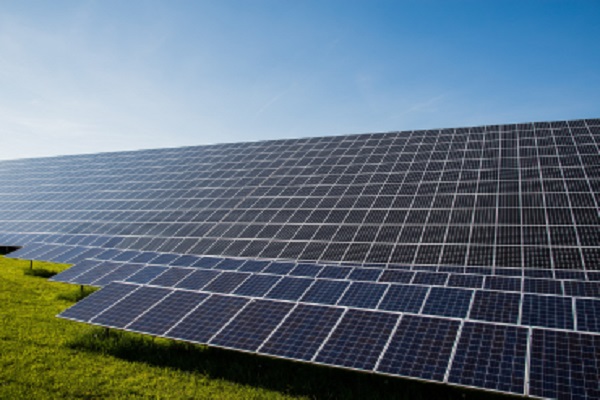
The German Federal Solar Industry Association issued a communiqué on January 6, 2025, stating that by the end of 2024, Germany's total installed capacity of solar power generation exceeded 100 GW for the first time. In 2024, 14% of Germany's electricity consumption was provided by solar systems, an increase from 12% in 2023. The communiqué showed that Germany's solar industry continued to grow in 2024, with more than 1 million new solar power generation systems and 17 GW of new installed capacity, an increase of about 10% over 2023. The main driving force for the growth of solar power generation in 2024 came from ground-based photovoltaic power stations, with an additional installed capacity of 6.3 GW, an increase of about 40% over the previous year. The data also showed that the growth of solar systems installed on residential roofs slowed down, while solar systems installed on corporate roofs and residential balconies increased rapidly. Germany plans to achieve at least 80% of its electricity consumption from renewable energy by 2030. To achieve this goal, the total installed capacity of solar power generation needs to reach 215 GW. Carsten Koenig, head of the German Federal Solar Industry Association, said: "If the market growth continues to maintain a similar scale in the next two years, we will enter the sprint stage."
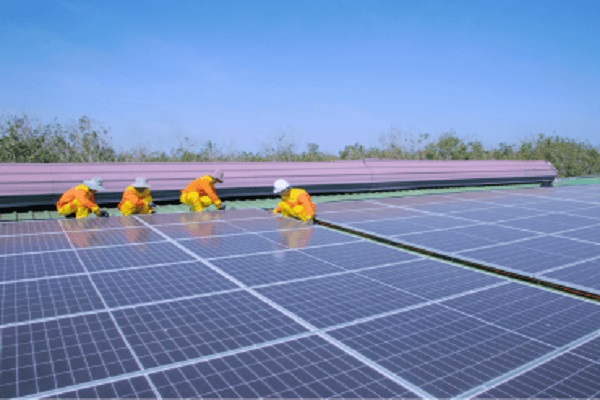
At the recently concluded G20 summit, Indonesia's new president Prabowo Subianto announced that Indonesia has pledged to build more than 75GW of renewable energy projects in the country and stop operating coal-fired power plants and all fossil fuel power plants in the next 15 years. In addition, the country also plans to achieve net zero emissions by 2050, mainly relying on renewable energy and biodiesel. During the COP29 meeting, Indonesia's Special Envoy for Energy and Climate Change Hashim Djojohadikusumo said that the government plans to add 100GW of energy capacity by 2040, of which 75% will come from renewable energy, including 25GW of hydropower, 27GW of solar, 15GW of wind, 7GW of geothermal energy and 1GW of biomass. PT PLN, Indonesia's state-owned power company, has been given the responsibility of implementing 75GW of renewable energy capacity. This batch of projects requires an investment of at least US$235 billion, including the construction of transmission lines from the islands to demand centers. Under the Indonesia Just Energy Transformation 2023 Plan (JETP), Indonesia plans to install around 265GW of solar PV capacity to ensure net zero emissions in the power sector by 2050.

We're thrilled to share some exciting news! Fastensol is taking our dedicated team on a well-deserved annual wellness trip to Chongqing, China from Dec 21 to Dec 25, 2024.Chongqing is very famous by natural beauty, colorful history and hotpot, etc. In this company trip, we not only met beautiful scenery and delicious foods and delicious foods, but also gained a lot of team friendship. While we’re away, FASTENSOL will continue operations seamlessly, with comprehensive plans in place to maintain our usual high standards of communication and responsiveness. Let us grow together on this journey, and look forward to more wonderful things in the future 2025. As the year comes to a close, Fastensolar teams sincerely appreciate your trusts, supports from our clients, partners, friends. Wishing next every days of 2025 to be filled with joy, happiness, and prosperity for you and your loved ones. Happy new year 2025, all our friends.
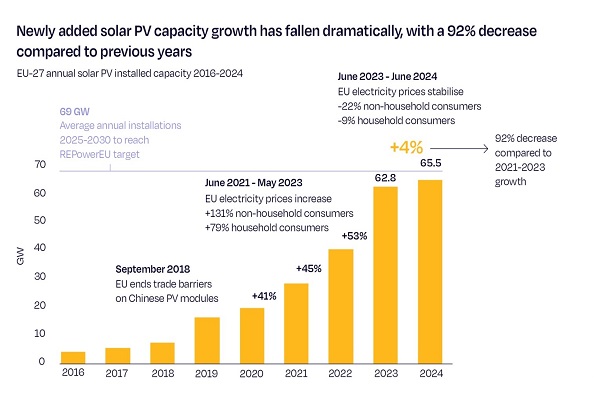
Solar PV additions in the European Union are forecast to reach 65.5GW in 2024, according to trade association SolarPower Europe’s (SPE) latest report. After years of rapid growth with double-digit increases from previous years, Europe is facing a 92% slowdown in solar growth compared with the growth between 2021 and 2023. Last year was marked by a record 62.8GW of solar capacity additions, while this year’s growth from 2023 only amounts to 4.4% – the lowest market growth since 2017. The slowdown was not surprising for SolarPower Europe. “Following the solar boom during the gas crisis, the urgency of going solar has waned for citizens as their bills normalise,” the EU Market Outlook for Solar Power report said. “Developers face challenges for different reasons. The energy system has not kept up with the solar growth curve, and building bankable utility-scale solar becomes more difficult as grid and flexibility bottlenecks tighten.” SPE’s data showed the residential rooftop market has seen a nearly 5GW decrease from 2023 with 12.8GW of capacity additions in 2024. This decrease is partially down to the removal of incentives for rooftop solar (for instance, the Netherlands will remove its net metering scheme for residential solar by 2027) which saw decreases in residential solar in Germany, Austria, Italy, Poland, the Netherlands, Belgium, Sweden, Spain, and Hungary. The slower growth of solar PV in 2024, along with residential solar stumbling, has affected the biggest European markets too. Half of the top 10 biggest solar markets in 2024 have seen a drop in capacity additions from the previous year. Spain, Poland, the Netherlands, Austria and Hungary have seen their solar PV market contract since the end of the energy price crisis and policymakers failing to offer regulatory stability to maintain investment appetite in solar. The Netherlands has seen the steepest drop, with an annual decrease of 1.8GW from 2023, whereas the growth in the other five markets has been “modest”, according to the report. France saw the biggest increase, with 1.5GW added in 2024. Germany (with 16.1GW added in 2024) continues to be the largest market in the European Union for solar PV, by Spain (9.3GW) and Italy (6.4GW). Challenges ahead for solar PV Looking ahead, the report forecasts continued single-digit growth between 3-7% from 2025-2028. SPE said this would still allow the EU to reach its 2030 solar PV target of 750GW as it projects 816GW of installed solar PV by the end of the decade. However, the trade association warns that Europe could still miss the mark by 100GW if it follows the wrong path. In the report, SPE outlined several challenges looming for the solar industry in the coming years. As mentioned earlier, the residential market is poised to continue its downward path. However, the report highlights an increased interest in balcony solar deployments. In Germany alone over 220,000 systems – around 800W – were added in the first half of 2024. Inflexible ...

The Mid-Autumn Festival, Zhongqiu Jie (中秋节) in Chinese, is one of four major traditional holidays in China, second only to Chinese New Year. It is celebrated on September 17, 2024. It is an significant day for all Chinese people to reunite and have a good time together. In Fasten Solar, we held a grand "Bo Bing" dinner party to celebrate the traditional Mid-Autumn Festival with all its employees. "Bo Bing," is a dice game played during the Mid-Autumn Festival in Xiamen, is a symbol of joy and good fortune. This party was not only about the game and cultural traditions, but also about enjoying the festive spirit, sharing mooncakes, and expressing our gratitude for the company.
Winter is the season of holidays, giving, and time spent with loved ones. With the distant sound of Christmas bells and joyful Christmas songs, Christmas arrives as promised. To our Fastensol customers,partners and employees,we wish you a merry Christmas and a happy New Year in 2024! May this holiday season bring good tidings to you and your family. Herein we sincerely thank you for your choosing and trust this year. All of FastenSolar will continue to provide you with our high-quality,more accurate, thoughtful, and professional services as always. Continuously following up on the development needs of different solar energy fields, enable everyone to enjoy a comfortable and enjoyable experience here in the future.
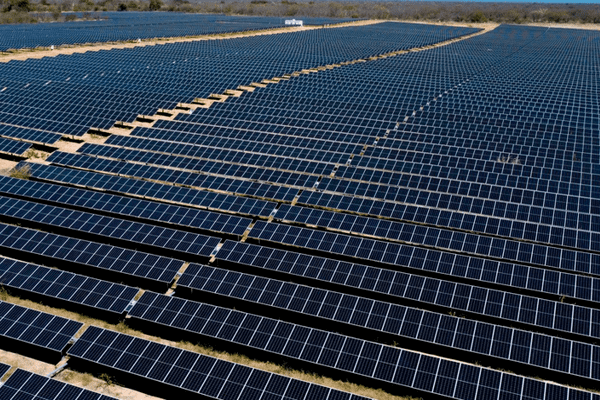
Brazil installed 2.3 GW of large-scale solar and 4.5 GW of distributed-generation PV in the first six months of this year. New figures from Brazil's energy regulator, ANEEL, show that the country achieved an impressive 6.8 GW increase in PV generation capacity in the first half of 2023. Within this growth, 2.3 GW emerged from 61 newly established large-scale PV plants, while an additional 4.5 GW was contributed by distributed-generation solar, involving PV systems under 5 MW in size. It remains unclear whether these statistics include the 1.2 GW Janaúba solar complex, which was unveiled in July by Elera Renováveis in Janaúba, Minas Gerais. Brazil reached 32 GW of cumulative installed PV capacity at the end of June, constituting approximately 14.7% of the nation's overall installed capacity, which currently stands at 194.38 GW. Related Tages: Metal Roof Mounting, Pitched Roof Mounts, Solar Racking Solution Fastensol - Your Solar Partner!

 Unit 4B-8, No.16 Xiangxing 3rd Road, Free Trade Zone, Xiamen, 361006, China.
 +86-592-5660571
subscribe to receive inspiration,ideas and news in your inbox



Copyright © 2012-2026 Xiamen Fasten Solar Technology Co.,Ltd..All Rights Reserved.


 en
en ru
ru es
es pt
pt ar
ar ja
ja ko
ko 中文
中文


